
Get paid to donate
Your Milk Matters
Donate once and your milk can reach babies in the NICU and families feeding at home.
Already a donor? Log in to the donor portal


Become a donor
Have extra milk? A baby is waiting for it.
Some mothers make more milk than their own baby needs. Other babies, in NICUs and at home, need human milk and don’t have enough. Your donation brings the two together and helps close that gap.
We welcome healthy women with extra breastmilk. Screening includes medical history and blood testing, and every donation is tested before use.
Become a donorYour time. Your care. Your milk.
We compensate
our donors
- Apply and get approved. Complete our screening, which includes your medical history and blood testing.
- Send your milk. Every donation is tested for safety and quality.
- Get paid. We pay for all milk that passes testing.

- Healthy women with extra breastmilk, anywhere in the United States except Hawaii, Alaska, New York, and Maryland
- Your baby always comes first. We only want the milk you have beyond what your baby needs.
- Currently pregnant? Please wait until your baby arrives and you’re nursing.
- Milk you’ve already collected is welcome too.
FAQs for prospective donors
Frequently asked questions
Answers to your questions about donating milk.
Become a donorQuestions about donating?
Contact us at MaiaMilkBecoming a donor
Who can donate?
Healthy women with extra breastmilk, anywhere in the United States except Hawaii, Alaska, New York, and Maryland. Your baby always comes first, so we only want the milk you have beyond what your baby needs.
I’m pregnant. Can I register now?
Please wait until your baby arrives and you’re nursing. Every mom is different, and the amount of milk you can express varies, so it’s best to see how much extra you have once breastfeeding is established. Then we’d love to have you.
Can I donate milk I’ve already collected?
Yes, milk you’ve already collected is welcome. Details on storage and shipping are shared once you’re approved.
How are donors screened?
Donors are screened through a combination of steps that include medical history and blood testing. Milk is tested as well, so only milk that meets our safety and quality standards is used.
I’ve submitted my application. What happens next?
Thank you! Our donor portal walks you through each step of the process, so you’ll always know what to do next. Once you’re approved, we’ll send you an insulated shipping container and ice packs, and we cover the cost of shipping.
Donating
How do I store and ship my milk?
Once you’re approved, we’ll send you our Milk Storage and Shipping Guidelines.
Will I need more blood work after I’m approved?
Yes. Approved donors provide blood test results every six months.
What if my health or medications change?
Please tell us about any change, even a minor one. A cold, the flu, a sinus infection, a yeast infection, or a new medication all count. Your health affects whether your milk can be used, so we need to know.
Payment
How do I get paid?
We pay approved donors for milk that passes our safety and quality testing. Once you’re approved, you can choose how you’d like to be paid. Compensation details are shared with you directly during onboarding.
When do I get paid?
We pay for your milk once it has been tested and confirmed to meet our criteria for use. Payment is sent within 60 days after that confirmation.
About the milk
Who receives the donated milk?
Donor milk goes to two places: hospital NICUs and clinics through Ni-Q, and families at home through MaiaMilk. Donors who complete our screening and approval process supply milk for both.
What is the relationship between Ni-Q and MaiaMilk?
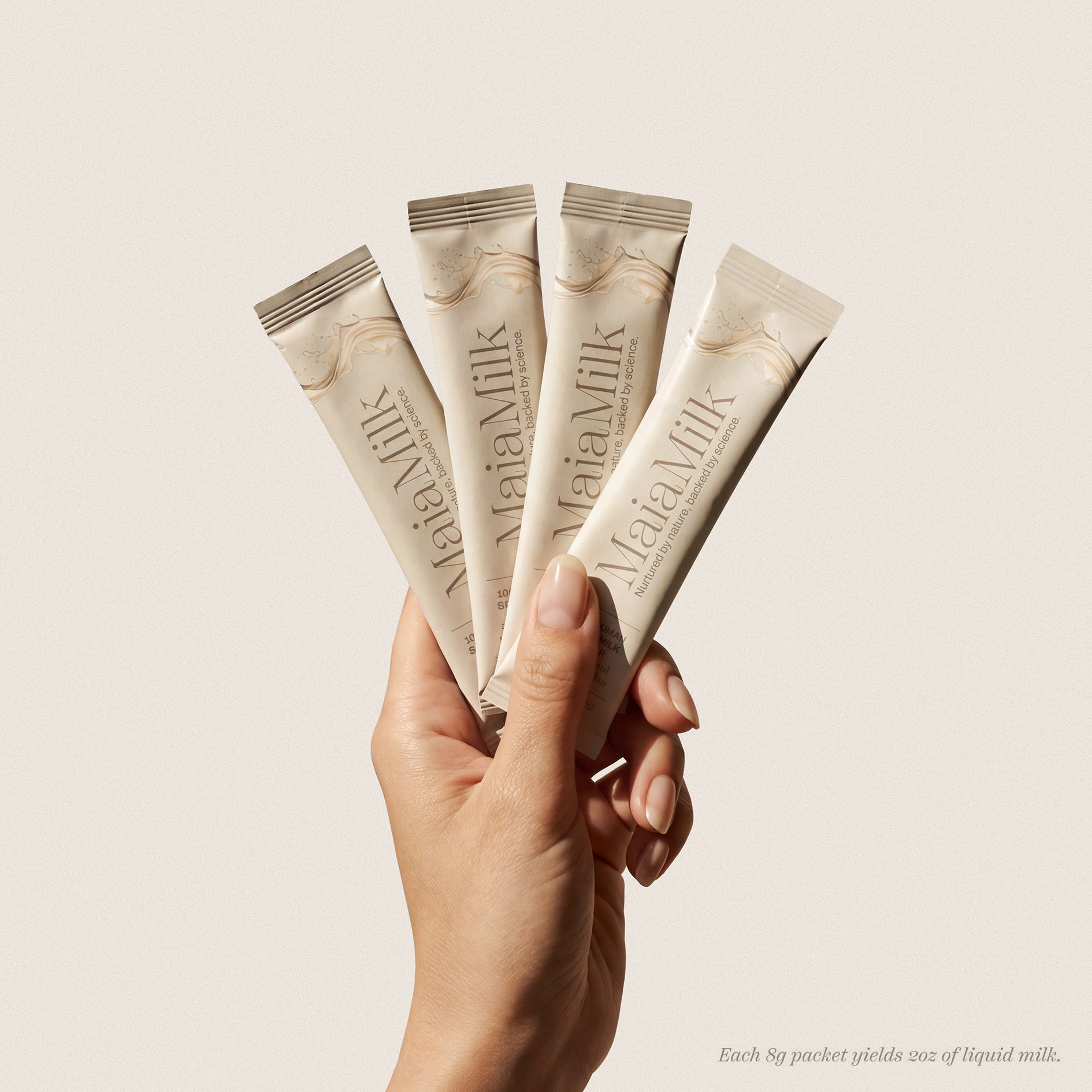
Ni-Q and MaiaMilk are related organizations. Ni-Q is a human milk bank that provides donor milk to hospitals and clinics. MaiaMilk is a brand that offers freeze-dried donor milk to families at home. Both rely on the same community of screened donors, so your donation helps meet the need for human milk in NICUs and in homes.
Why does donor milk matter?
Human milk is the preferred nutrition for newborns, and it matters most for premature infants and infants with medical needs. It contains antibodies, enzymes, and growth factors, along with human milk oligosaccharides, complex sugars that feed beneficial gut bacteria and help protect the infant gut.1 2 The American Academy of Pediatrics recommends human milk for premature infants because it lowers the risk of serious complications, including necrotizing enterocolitis (NEC), a dangerous intestinal condition that mainly affects preemies.2
When a mother’s own milk isn’t available or isn’t enough, pasteurized donor milk is the next best option. The AAP supports its use for high-risk infants, especially those born weighing less than 1,500 grams.3 A Cochrane review of 11 trials found that preterm and low birth weight infants fed formula had a higher risk of NEC than those fed donor milk.4 A more recent randomized trial in extremely preterm infants found a lower risk of NEC among those fed donor milk than among those fed preterm formula.5
Our donors make this possible. Their milk is screened, tested, and pasteurized so it can reach the babies who need it, in NICUs and at home.
References
- Bode L. Human milk oligosaccharides: every baby needs a sugar mama. Glycobiology. 2012;22(9):1147–1162. doi:10.1093/glycob/cws074
- American Academy of Pediatrics, Section on Breastfeeding. Breastfeeding and the use of human milk. Pediatrics. 2012;129(3):e827–e841. doi:10.1542/peds.2011-3552
- American Academy of Pediatrics, Committee on Nutrition, Section on Breastfeeding, Committee on Fetus and Newborn. Donor human milk for the high-risk infant: preparation, safety, and usage options in the United States. Pediatrics. 2017;139(1):e20163440. doi:10.1542/peds.2016-3440
- Quigley M, Embleton ND, McGuire W. Formula versus donor breast milk for feeding preterm or low birth weight infants. Cochrane Database Syst Rev. 2018;6:CD002971. doi:10.1002/14651858.CD002971.pub4
- Colaizy TT, et al. Neurodevelopmental outcomes of extremely preterm infants fed donor milk or preterm infant formula: a randomized clinical trial. JAMA. 2024;331(7):582–591. doi:10.1001/jama.2023.27693
Because every drop matters